

Flame retardants are essential additives used to enhance the fire safety of various materials. They work by suppressing or delaying the spread of fire, thereby reducing the risk of property damage and human injury. However, their impact on the aging resistance of materials is a topic that has garnered significant attention in recent years. As a flame retardant supplier, I've witnessed firsthand the complex relationship between flame retardants and material aging. In this blog, I'll delve into how flame retardants affect the aging resistance of materials, exploring both the positive and negative aspects.
Mechanisms of Flame Retardants and Their Impact on Aging
Flame retardants operate through several mechanisms, including gas - phase inhibition, condensed - phase action, and endothermic cooling. Each of these mechanisms can have different effects on the aging resistance of materials.
Gas - Phase Inhibition
Some flame retardants, such as halogen - based compounds, work by releasing halogen radicals in the gas phase. These radicals react with the highly reactive hydrogen and hydroxyl radicals produced during combustion, interrupting the combustion chain reaction. However, these halogen - containing flame retardants can sometimes be unstable over time. They may react with environmental factors such as moisture and oxygen, leading to the degradation of the material. For example, in polymers, the presence of halogenated flame retardants can cause chain scission and cross - linking reactions during long - term exposure to heat and humidity, which can reduce the material's mechanical properties and overall aging resistance.
Condensed - Phase Action
Flame retardants that act in the condensed phase form a protective char layer on the surface of the material during combustion. This char layer acts as a barrier, preventing the transfer of heat, oxygen, and volatile products. Phosphorus - based flame retardants are well - known for their condensed - phase action. Compounds like Triphenyl Phosphate and Tert - ButylPhenyl Diphenyl Phosphate can promote char formation in polymers. The char layer not only provides fire protection but can also enhance the aging resistance of the material. It can shield the underlying polymer from environmental factors such as UV radiation and oxidative stress, reducing the rate of degradation.
Endothermic Cooling
Certain flame retardants, such as metal hydroxides, work by absorbing heat through endothermic decomposition reactions. This cooling effect helps to lower the temperature of the material, preventing ignition and reducing the intensity of the fire. Metal hydroxides like aluminum hydroxide and magnesium hydroxide are commonly used in plastics and rubber. Their presence can improve the thermal stability of the material, which is beneficial for aging resistance. By reducing the thermal stress on the material, these flame retardants can slow down the rate of thermal oxidation and other aging processes.
Influence of Flame Retardant Concentration on Aging Resistance
The concentration of flame retardants in a material is a crucial factor that affects its aging resistance.
Low Concentration
At low concentrations, flame retardants may not provide sufficient fire protection. Moreover, they may not have a significant impact on the aging resistance of the material. In some cases, the small amount of flame retardant present may even act as an impurity, accelerating the aging process. For example, if a low - concentration flame retardant reacts with the polymer matrix or other additives in the material, it can create reactive sites that are more susceptible to environmental degradation.
Optimal Concentration
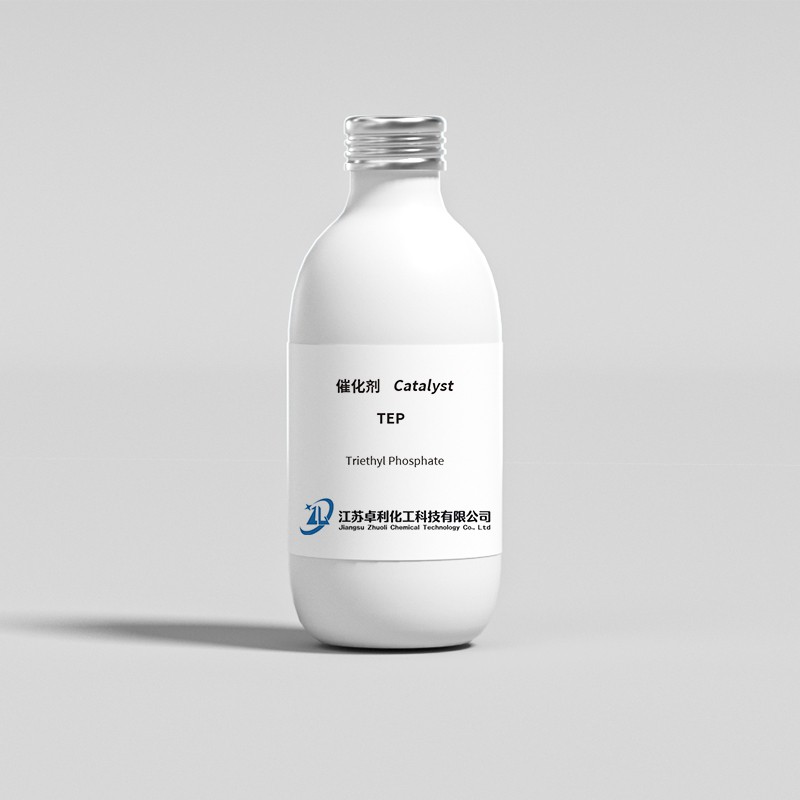
There is an optimal concentration of flame retardants for each material where the best balance between fire protection and aging resistance is achieved. At this concentration, the flame retardant can effectively perform its fire - retardant function while minimizing any negative effects on the material's long - term stability. For instance, in a study on polypropylene composites, it was found that an optimal concentration of Triethyl Phosphate not only improved the fire retardancy but also maintained the mechanical properties of the material over an extended period of time.
High Concentration
Excessive concentrations of flame retardants can have a detrimental effect on the aging resistance of materials. High - loading flame retardants can cause phase separation in the polymer matrix, leading to poor dispersion and reduced mechanical properties. They can also increase the water absorption of the material, making it more vulnerable to hydrolysis and other moisture - related aging processes. Additionally, the high concentration of flame retardants may increase the brittleness of the material, reducing its impact resistance and flexibility over time.

Interaction with Other Additives and Environmental Factors
Flame retardants do not exist in isolation within a material. They interact with other additives and are exposed to various environmental factors, all of which can influence the aging resistance of the material.
Interaction with Other Additives
In a typical material formulation, there are often multiple additives such as antioxidants, UV stabilizers, and plasticizers. Flame retardants can interact with these additives, either positively or negatively. For example, some flame retardants may enhance the effectiveness of antioxidants by reducing the heat and oxygen exposure during a fire event, which can improve the long - term oxidation resistance of the material. On the other hand, certain flame retardants may react with plasticizers, causing them to migrate out of the material more quickly, which can lead to embrittlement and reduced aging resistance.
Environmental Factors
Environmental factors such as temperature, humidity, UV radiation, and mechanical stress can significantly affect the aging of materials containing flame retardants. High temperatures can accelerate the chemical reactions between the flame retardant and the polymer matrix, leading to degradation. Humidity can cause hydrolysis of some flame retardants and polymers, especially those with ester or amide linkages. UV radiation can break the chemical bonds in the material, including those in the flame retardant, leading to discoloration, loss of mechanical properties, and reduced aging resistance. Mechanical stress, such as repeated bending or stretching, can also cause the flame retardant to become dislodged or cause micro - cracks in the material, which can further accelerate the aging process.
Case Studies: Flame Retardants and Aging Resistance in Different Materials
Plastics
Plastics are widely used in various applications, and flame retardants are often added to meet fire safety standards. In polycarbonate, the addition of certain phosphorus - based flame retardants can improve both fire retardancy and aging resistance. These flame retardants form a stable char layer during combustion, which protects the polycarbonate from thermal and oxidative degradation. In contrast, in some PVC plastics, the use of certain halogenated flame retardants can lead to the formation of hydrochloric acid during aging, which can corrode the material and reduce its mechanical properties.
Textiles
Flame - retardant textiles are commonly used in the furniture, bedding, and clothing industries. In cotton textiles, the application of flame retardants such as phosphonate - based compounds can improve the aging resistance. These flame retardants can form a protective layer on the cotton fibers, preventing them from being easily damaged by environmental factors. However, in synthetic textiles like polyester, the interaction between flame retardants and the polymer structure can be more complex. Some flame retardants may cause yellowing and loss of strength in polyester textiles over time.
Rubber
Rubber materials are used in many applications, including automotive tires and seals. Flame retardants can be added to rubber to improve its fire safety. Metal hydroxide flame retardants are often used in rubber because of their endothermic cooling effect. They can enhance the thermal stability of the rubber, which is beneficial for aging resistance. However, the high loading of metal hydroxides can sometimes reduce the flexibility and elasticity of the rubber, which may affect its long - term performance.
Conclusion and Call to Action
In conclusion, flame retardants have a complex and multifaceted impact on the aging resistance of materials. While they are essential for fire safety, their choice, concentration, and interaction with other additives and environmental factors need to be carefully considered to ensure optimal aging resistance. As a flame retardant supplier, I understand the importance of providing high - quality flame retardants that can meet both fire safety requirements and the long - term performance needs of materials.
If you are looking for flame retardants that can enhance the fire safety of your materials without compromising their aging resistance, I invite you to contact me for a detailed discussion. We can work together to find the most suitable flame retardant solutions for your specific applications. Whether you are in the plastics, textiles, rubber, or other industries, I am here to help you make informed decisions about flame retardant selection.
References
- "Flame Retardancy of Polymeric Materials" by Charles A. Wilkie
- "Handbook of Polymer Degradation" by Mahesh S. Mahanwar
- "Fire Retardant Materials: An Introduction" by Thomas J. Hull


