

As a supplier of the compound with CAS 5945 - 33 - 5, I've been frequently asked about its environmental impacts. In this blog, I'll delve into the possible environmental effects associated with this compound, aiming to provide a comprehensive understanding for both potential buyers and environmental enthusiasts.
Understanding the Compound CAS 5945 - 33 - 5
Before discussing its environmental impacts, it's essential to have a basic understanding of the compound. Unfortunately, without specific information about the exact chemical identity of CAS 5945 - 33 - 5, we can approach this topic from a general perspective, considering common characteristics of similar chemical compounds in the industry.
Many chemical compounds used in various industrial applications can have environmental implications. These implications can range from direct toxicity to aquatic and terrestrial organisms to long - term effects on ecosystems. For instance, some compounds may persist in the environment, bioaccumulate in the food chain, or contribute to air and water pollution.
Potential Environmental Impacts
Aquatic Ecosystems
One of the primary concerns regarding chemical compounds is their impact on aquatic ecosystems. If the compound with CAS 5945 - 33 - 5 is released into water bodies, it could have several negative effects.
Toxicity to Aquatic Organisms: Some chemicals can be toxic to fish, invertebrates, and algae. They may interfere with the normal physiological functions of these organisms, such as respiration, reproduction, and growth. For example, certain phosphates like Tributyl Phosphate can be toxic to aquatic life at high concentrations. If CAS 5945 - 33 - 5 has similar chemical properties, it may pose a threat to the health of aquatic organisms.
Eutrophication: Phosphorus - containing compounds can contribute to eutrophication in water bodies. Eutrophication occurs when excessive nutrients, mainly phosphorus and nitrogen, enter a water body, leading to an overgrowth of algae. This overgrowth can deplete oxygen levels in the water, causing harm to fish and other aquatic organisms. If CAS 5945 - 33 - 5 contains phosphorus, it could potentially contribute to this problem.
Terrestrial Ecosystems
The compound may also have an impact on terrestrial ecosystems if it is released into the soil or air.
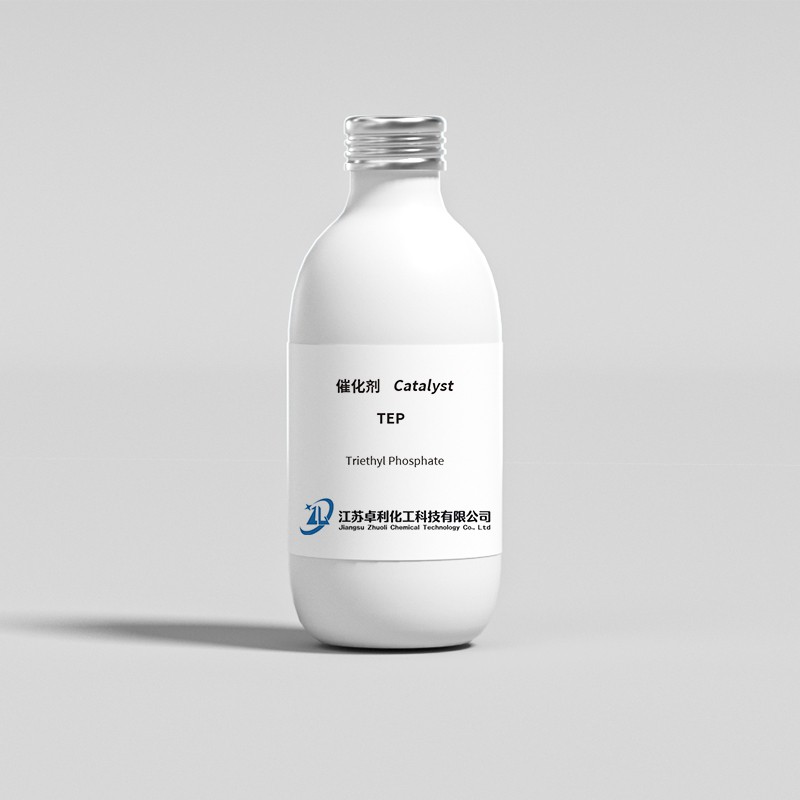
Soil Contamination: Chemicals can accumulate in the soil, affecting soil fertility and the health of soil organisms. Microorganisms in the soil play a crucial role in nutrient cycling and decomposition. If CAS 5945 - 33 - 5 is toxic to these microorganisms, it could disrupt the normal functioning of the soil ecosystem. For example, Triethyl Phosphate may have an impact on soil organisms if it enters the soil environment.

Air Pollution: Some compounds can volatilize into the air, contributing to air pollution. If CAS 5945 - 33 - 5 has a relatively high vapor pressure, it may be released into the atmosphere. In the air, it could react with other pollutants and form secondary pollutants, such as particulate matter or ozone, which can have adverse effects on human health and the environment.
Human Health and the Environment
The environmental impacts of CAS 5945 - 33 - 5 can also have indirect effects on human health. For example, if the compound contaminates water sources, it can enter the human food chain through the consumption of contaminated fish or drinking water. Additionally, air pollution caused by the compound can lead to respiratory problems and other health issues in humans.
Mitigating Environmental Impacts
As a responsible supplier, we are committed to minimizing the environmental impacts of the compound with CAS 5945 - 33 - 5.
Proper Handling and Storage: We ensure that the compound is handled and stored in accordance with strict safety and environmental regulations. This includes using appropriate containers, preventing spills, and implementing proper ventilation systems in storage facilities.
Waste Management: When it comes to waste disposal, we follow best practices to ensure that any waste containing the compound is treated and disposed of in an environmentally friendly manner. This may involve recycling, treatment to reduce toxicity, or proper landfilling.
Research and Development: We are constantly investing in research and development to find more environmentally friendly alternatives or to improve the production process of the compound to reduce its environmental footprint. For example, we may explore ways to reduce the amount of the compound released during production or to develop more efficient purification methods.
Comparing with Similar Compounds
To better understand the potential environmental impacts of CAS 5945 - 33 - 5, it's useful to compare it with similar compounds in the market.
Tributyl Phosphate: Tributyl phosphate is widely used as a plasticizer, extractant, and flame retardant. It has been reported to have some toxicity to aquatic organisms and can bioaccumulate in the food chain. By comparing the chemical structure and properties of CAS 5945 - 33 - 5 with tributyl phosphate, we can make some inferences about its potential environmental impacts.
Triethyl Phosphate: Triethyl phosphate is another compound used in various industrial applications. It may have an impact on soil and water quality if released into the environment. Understanding the environmental behavior of triethyl phosphate can provide insights into how CAS 5945 - 33 - 5 may behave in the environment.
Tritolyl Phosphate: Tritolyl phosphate is commonly used as a flame retardant and plasticizer. It has been associated with some environmental and health concerns, such as neurotoxicity. Comparing CAS 5945 - 33 - 5 with tritolyl phosphate can help us assess its potential risks.
Conclusion
In conclusion, while the exact environmental impacts of the compound with CAS 5945 - 33 - 5 are not fully known without detailed research, based on general chemical principles and comparisons with similar compounds, it is possible that it may pose some environmental risks. However, as a supplier, we are taking proactive measures to minimize these risks through proper handling, waste management, and research and development.
If you are interested in purchasing the compound with CAS 5945 - 33 - 5, we encourage you to contact us for more information. We can provide you with detailed product specifications, safety data sheets, and information on our environmental management practices. We are committed to working with our customers to ensure that the compound is used in a safe and environmentally responsible manner.
References
- "Environmental Chemistry of Phosphates" - Journal of Environmental Science
- "Toxicity of Organic Compounds to Aquatic Organisms" - Aquatic Toxicology Journal
- "Managing Chemical Waste in the Industrial Sector" - Environmental Management Review


