

Can TCEP be used in food processing? Well, that's a question I get asked a lot as a TCEP supplier. TCEP, or Tris(2-chloroethyl) phosphate, is a chemical compound that has a variety of industrial uses. But when it comes to food processing, things get a bit more complicated.
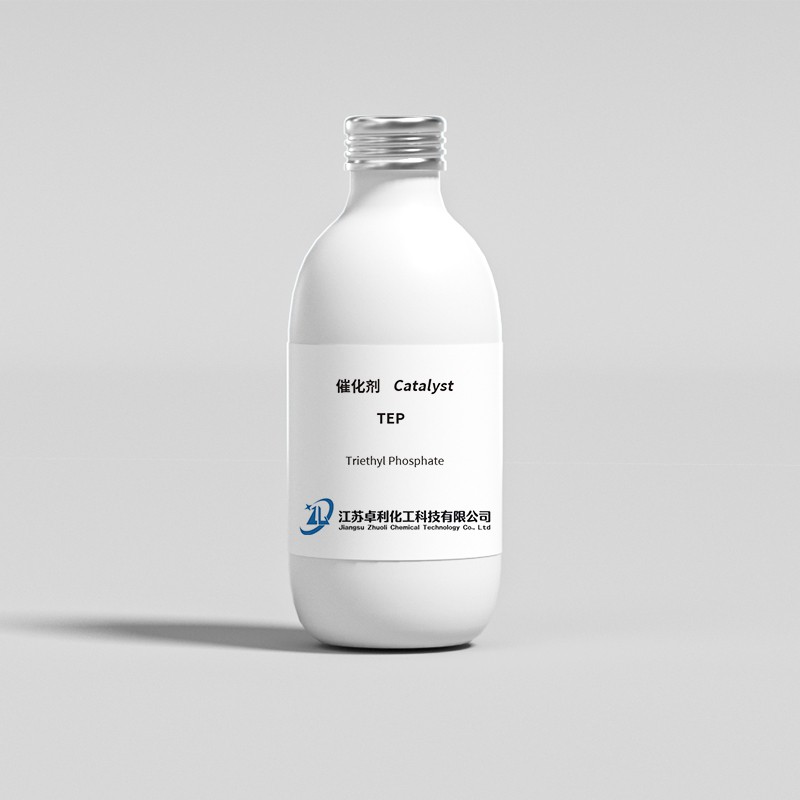
First off, let's talk about what TCEP is and what it's typically used for. TCEP is a colorless, odorless liquid that's mainly used as a flame retardant. It's added to all sorts of materials, like plastics, textiles, and electronics, to make them less flammable. You can find out more about other flame retardants like Triethyl Phosphate, Cresyl Diphenyl Phosphate, and Phenoxycycloposphazene on our website.
Now, the big question: Can it be used in food processing? The short answer is that it's generally not approved for direct use in food processing in most countries. There are strict regulations in place to ensure the safety of the food we eat, and TCEP isn't on the list of approved food additives.

One of the main reasons for this is the potential health risks associated with TCEP. Studies have shown that TCEP can be toxic to humans. It's been linked to various health problems, including damage to the nervous system, reproductive issues, and even cancer. When it comes to food, we're talking about something that goes directly into our bodies, so the bar for safety is extremely high.
But here's where things get a bit tricky. Sometimes, there can be indirect contact between TCEP and food. For example, if food is packaged in materials that contain TCEP as a flame retardant, there's a small chance that some of the TCEP could leach into the food over time. This is a concern, but regulatory agencies are aware of it and have set limits on how much TCEP can be present in food packaging materials.
Another factor to consider is the environmental impact of TCEP. It's a persistent organic pollutant, which means it doesn't break down easily in the environment. This can lead to contamination of soil, water, and air, which in turn can have an impact on the food chain. If the environment is contaminated with TCEP, it could potentially find its way into food through things like contaminated water or soil where crops are grown.
So, as a TCEP supplier, what's my take on all this? I believe in being transparent and following the rules. I know that TCEP has its uses in other industries, but when it comes to food processing, I always make it clear to my customers that it's not suitable for that purpose.
However, I also understand that there's a growing demand for safer and more sustainable alternatives in all industries, including food processing. That's why we're constantly researching and developing new products that can meet the needs of our customers while also being safe for the environment and human health.
Now, if you're in an industry where TCEP is a suitable and legal option, we're here to help. We offer high-quality TCEP at competitive prices. Our team of experts can also provide you with all the technical support you need to ensure that you're using TCEP safely and effectively.
If you're interested in learning more about our TCEP products or other flame retardants we offer, don't hesitate to get in touch. We're always happy to have a chat and discuss your specific requirements. Whether you're a small business or a large corporation, we're committed to providing you with the best possible service and products.
In conclusion, while TCEP can't be used in food processing due to safety concerns, it still has its place in other industries. We're dedicated to supplying high-quality TCEP and helping our customers find the right solutions for their needs. So, if you think TCEP could be a good fit for your business, give us a shout, and let's start the conversation.
References:
- Various scientific studies on the toxicity of TCEP
- Regulatory guidelines on food additives and packaging materials
- Industry reports on the use of flame retardants


