

Hey there! As a supplier of the chemical with CAS 57583 - 54 - 7, I've been getting a lot of questions about its patent situations. So, I thought I'd sit down and write this blog to share what I know.
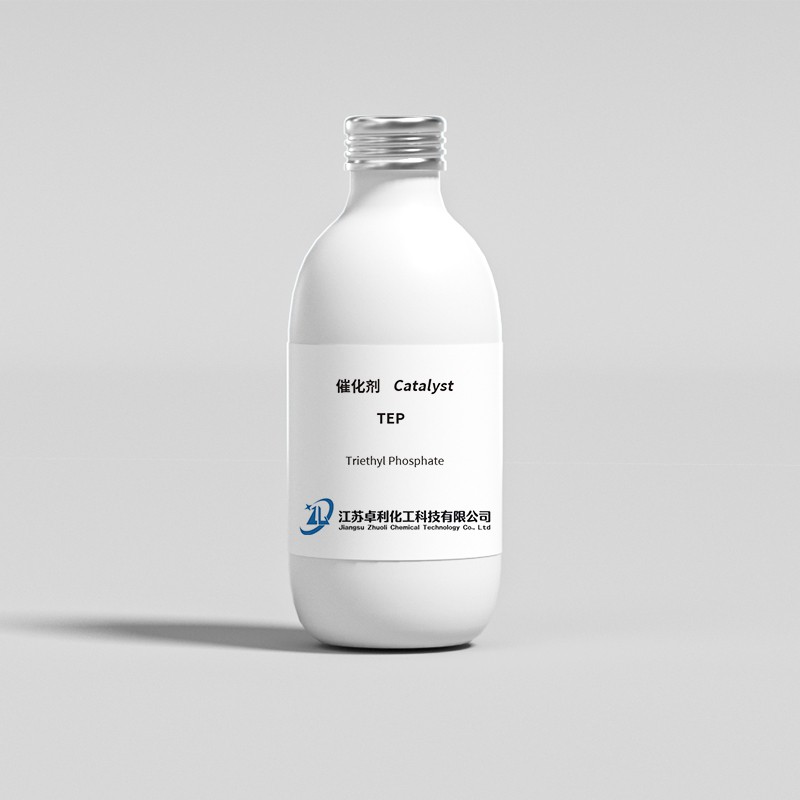
First off, let's quickly understand what this chemical is. CAS numbers are like unique IDs for chemicals, and CAS 57583 - 54 - 7 is used in a bunch of industries. It's often involved in areas like flame - retardants, which are super important for making materials safer. You might be familiar with some other flame - retardant chemicals like Tritolyl Phosphate, Triethyl Phosphate, and Isopropyled Triphenyl Phosphate 35. These are all in the same ballpark when it comes to their applications.
Now, let's dive into the patent stuff. Patents are a big deal in the chemical industry. They give inventors or companies the exclusive right to make, use, and sell an invention for a certain period. For the chemical with CAS 57583 - 54 - 7, there are several aspects to consider regarding patents.
Types of Patents Related to CAS 57583 - 54 - 7
Composition Patents
Some patents cover the chemical composition itself. If a company discovers a new way to make CAS 57583 - 54 - 7, or a new form of it with unique properties, they can patent that composition. This kind of patent is really important because it means no one else can legally make or sell that exact chemical makeup without permission.
For example, if a research team figures out a new synthesis method that makes CAS 57583 - 54 - 7 more pure or more cost - effective, they can protect that method with a patent. This gives them a competitive edge in the market, as other companies would have to either license the technology or find an alternative way to produce the chemical.
Application Patents
Another type of patent related to CAS 57583 - 54 - 7 is the application patent. These patents cover new uses for the chemical. Maybe someone discovers that CAS 57583 - 54 - 7 can be used in a new industry or for a new process. For instance, if it was originally used mainly in plastics as a flame - retardant, and then someone finds out it can also be used in textiles for the same purpose, they can patent that new application.
This is great for innovation because it encourages companies and researchers to explore different ways to use the chemical. It also means that if you have an idea for a new application of CAS 57583 - 54 - 7, you could potentially get a patent and make some money from it.
Current Patent Landscape
The patent landscape for CAS 57583 - 54 - 7 is constantly changing. New patents are being filed all the time, and existing patents are expiring. Some big companies have a significant number of patents related to this chemical. They've invested a lot of time and money in research and development, and they're reaping the benefits by having exclusive rights to certain technologies or applications.
However, it's not all about the big guys. There are also smaller companies and independent researchers who are making important contributions. They might come up with niche applications or more efficient production methods that could disrupt the market.
One thing to note is that the patent situation can vary from country to country. Different countries have different patent laws and regulations. So, a patent that's valid in one country might not be recognized in another. This can make it a bit tricky for companies that want to sell CAS 57583 - 54 - 7 globally. They have to make sure they're compliant with the patent laws in each market they enter.
Impact on the Market
The patent situation has a big impact on the market for CAS 57583 - 54 - 7. When a company holds a patent, they can charge higher prices for the chemical or the products that use it. This is because they have a monopoly on the technology or application. On the other hand, when a patent expires, it opens up the market to more competition.
More competition usually means lower prices for consumers. Other companies can start producing the chemical using the previously patented method or application, which increases the supply and drives down the cost. This is good news for industries that rely on CAS 57583 - 54 - 7, as they can get the chemical at a more affordable price.
But it's not just about prices. The patent situation also affects innovation. Companies are more likely to invest in research and development if they know they can protect their discoveries with patents. This leads to new and improved versions of CAS 57583 - 54 - 7, as well as new applications for the chemical.

How We, as a Supplier, Navigate the Patent Situation
As a supplier of CAS 57583 - 54 - 7, we have to be really careful about the patent situation. We make sure that all the products we supply are produced in a way that doesn't infringe on any existing patents. We work closely with our manufacturers to ensure compliance.
We also keep a close eye on the patent landscape. We follow new patent filings and expirations so that we can adjust our business strategy accordingly. For example, if a new patent is filed for a more efficient production method, we might try to license that technology to improve our own supply chain.
And when a patent expires, we're ready to take advantage of the new opportunities. We can offer more competitive prices to our customers and potentially expand our market share.
Why You Should Consider Buying from Us
Now, you might be wondering why you should choose us as your supplier of CAS 57583 - 54 - 7. Well, first of all, we have a deep understanding of the patent situation. This means we can ensure that the products we supply are legal and compliant with all relevant patents.
We also have a great track record of providing high - quality products. Our team of experts carefully monitors the production process to make sure that every batch of CAS 57583 - 54 - 7 meets the highest standards.
In addition, we offer competitive prices. Thanks to our efficient supply chain and our ability to adapt to the changing patent landscape, we can pass on the savings to you.
If you're in the market for CAS 57583 - 54 - 7, whether you're a small business or a large corporation, we'd love to talk to you. We can provide you with all the information you need about the chemical, its applications, and the patent situation. And we're ready to work with you to find the best solution for your needs. So, don't hesitate to reach out and start a conversation about your procurement requirements.
References
- Chemical Patent Law: A Comprehensive Guide. (Author not specified). Publisher: Law Press.
- Annual Review of Chemical Industry Patents. Various authors. Published by Industry Insights Journal.


