
As a supplier of CAS 13674 - 87 - 8, I often encounter inquiries from customers about alternatives to this chemical. CAS 13674 - 87 - 8, also known as tris(2,3 - dibromopropyl) isocyanurate (TBC), is a brominated flame retardant widely used in various industries, including textiles, plastics, and electronics. However, due to environmental and health concerns associated with brominated flame retardants, there is a growing demand for alternative flame - retardant solutions. In this blog post, I will explore some of the alternatives to CAS 13674 - 87 - 8 that are currently available in the market.
1. Phosphorus - based Flame Retardants
Phosphorus - based flame retardants are one of the most popular alternatives to brominated flame retardants like CAS 13674 - 87 - 8. They work by releasing phosphoric acid or polyphosphoric acid when heated, which forms a char layer on the surface of the material. This char layer acts as a barrier, preventing oxygen and heat from reaching the underlying material and thus suppressing combustion.
TDCPP - LS
One of the well - known phosphorus - based flame retardants is [TDCPP - LS](/flame - retardant/tdcpp - ls.html). TDCPP - LS, or Tris(1,3 - dichloro - 2 - propyl) phosphate, is a clear to pale - yellow liquid with good flame - retardant properties. It is commonly used in polyurethane foams, textiles, and plastics. Compared to CAS 13674 - 87 - 8, TDCPP - LS has a lower environmental impact and is less bio - accumulative. It can be easily incorporated into various polymers during the manufacturing process, providing effective flame retardancy without significantly affecting the mechanical properties of the final product.
Isopropylated Triphenyl Phosphate 65
[Isopropylated Triphenyl Phosphate 65](/flame - retardant/isopropylated - triphenyl - phosphate - 65.html) is another phosphorus - based alternative. It is a high - performance flame retardant with excellent thermal stability and compatibility with a wide range of polymers. This flame retardant is often used in engineering plastics, such as polycarbonate and ABS, to improve their fire resistance. Isopropylated Triphenyl Phosphate 65 can also enhance the processing properties of polymers, making it easier to mold and shape the final products.
Triethyl Phosphate
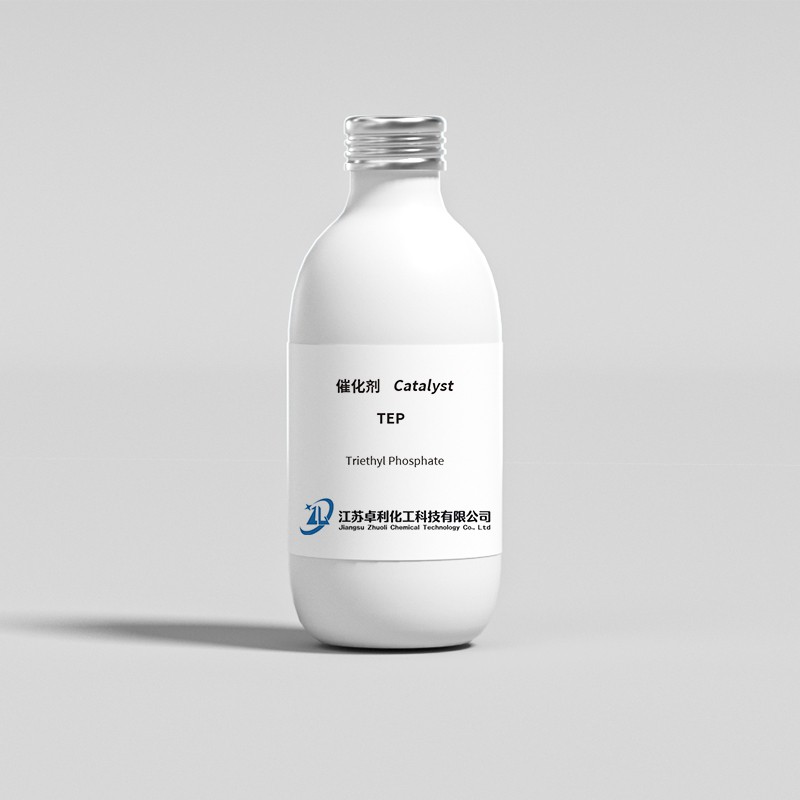
[Triethyl Phosphate](/flame - retardant/triethyl - phosphate.html) is a versatile phosphorus - based flame retardant. It is a colorless, odorless liquid that is soluble in many organic solvents. Triethyl Phosphate is commonly used in the production of cellulose acetate, nitrocellulose, and other polymers. It can act as a plasticizer as well as a flame retardant, improving the flexibility and fire resistance of the materials. In addition, it has a relatively low toxicity compared to some brominated flame retardants, making it a more environmentally friendly option.
2. Mineral - based Flame Retardants
Mineral - based flame retardants are also an important alternative to CAS 13674 - 87 - 8. They are typically composed of inorganic minerals, such as aluminum hydroxide, magnesium hydroxide, and antimony trioxide.
Aluminum Hydroxide
Aluminum hydroxide (ATH) is one of the most widely used mineral - based flame retardants. When heated, ATH decomposes endothermically, absorbing heat and releasing water vapor. This process helps to cool the material and dilute the combustible gases, thereby reducing the risk of fire. ATH is commonly used in plastics, rubber, and composites. It has the advantage of being non - toxic and environmentally friendly. However, it usually requires a relatively high loading level to achieve effective flame retardancy, which may affect the mechanical properties of the material.
Magnesium Hydroxide
Magnesium hydroxide (MDH) is similar to ATH in its flame - retardant mechanism. It also decomposes endothermically upon heating, releasing water vapor and absorbing heat. MDH has a higher decomposition temperature than ATH, which makes it more suitable for applications where higher processing temperatures are required. It is often used in polyolefins, such as polyethylene and polypropylene, to improve their fire resistance. Like ATH, MDH is non - toxic and environmentally benign.
Antimony Trioxide
Antimony trioxide is often used in combination with halogenated or phosphorus - based flame retardants to enhance their flame - retardant efficiency. It acts as a synergist, promoting the formation of a char layer and reducing the flammability of the material. Although antimony trioxide itself is not a very effective flame retardant, when used in combination with other flame retardants, it can significantly improve the fire - retardant performance of the material. However, it should be noted that antimony trioxide is a potential human carcinogen, and its use is subject to certain regulations.
3. Intumescent Flame Retardants
Intumescent flame retardants are a class of flame retardants that form a thick, foamy char layer when exposed to heat. This char layer acts as a thermal insulator, protecting the underlying material from the heat and oxygen.
Intumescent flame retardants typically consist of three main components: an acid source, a carbon source, and a blowing agent. When heated, the acid source decomposes to release an acid, which reacts with the carbon source to form a char. The blowing agent then decomposes to release gases, which expand the char layer, creating a thick, insulating barrier.

Intumescent flame retardants are often used in coatings, paints, and adhesives. They can provide excellent fire protection for a variety of substrates, including wood, steel, and concrete. Compared to CAS 13674 - 87 - 8, intumescent flame retardants are generally considered to be more environmentally friendly and have lower toxicity.
4. Natural Flame Retardants
In recent years, there has been an increasing interest in natural flame retardants as alternatives to synthetic chemicals like CAS 13674 - 87 - 8. Natural flame retardants are derived from renewable resources, such as plants and minerals, and are generally considered to be more sustainable and environmentally friendly.
Lignin
Lignin is a natural polymer that is abundant in plants. It has been shown to have some flame - retardant properties due to its high carbon content and the presence of phenolic groups. Lignin can be used as a flame retardant in polymers, such as polypropylene and polyethylene. It can also be used in combination with other flame retardants to enhance their performance.
Chitosan
Chitosan is a natural polysaccharide derived from chitin, which is found in the exoskeletons of crustaceans. It has been investigated as a flame retardant for textiles and papers. Chitosan can form a char layer on the surface of the material when heated, providing some degree of fire protection. In addition, it has antibacterial and antifungal properties, which can add additional value to the treated materials.
Conclusion
In conclusion, there are several alternatives to CAS 13674 - 87 - 8 available in the market, including phosphorus - based flame retardants, mineral - based flame retardants, intumescent flame retardants, and natural flame retardants. Each type of alternative has its own advantages and disadvantages, and the choice of the most suitable alternative depends on various factors, such as the specific application, the desired flame - retardant performance, and the environmental and health requirements.
As a supplier, I am committed to providing our customers with high - quality flame - retardant solutions. Whether you are looking for an alternative to CAS 13674 - 87 - 8 or need advice on choosing the right flame retardant for your application, please feel free to contact us for procurement discussions. We have a team of experts who can help you select the most appropriate product based on your specific needs.
References
- Weil, E. D., & Levchik, S. V. (Eds.). (2008). Flame retardancy of polymeric materials. CRC Press.
- Horrocks, A. R. (2011). Flame retardant finishes for textiles. Woodhead Publishing.
- Camino, G., & Costa, L. (2009). New approaches in flame retardancy of polymeric materials: A comprehensive review. Progress in Polymer Science, 34(12), 1076 - 1109.