

Hey there! As a supplier of IPPP 65, I've dealt with quite a few issues that customers face when using this product. In this blog, I'm gonna share some tips on how to troubleshoot those problems.
Understanding IPPP 65
First off, let's quickly go over what IPPP 65 is. It's a pretty useful chemical compound, often used in a variety of industrial applications. But like any product, it can run into some glitches.
Common Issues and Their Fixes
1. Compatibility Problems
One of the most common issues is compatibility with other substances. Sometimes, IPPP 65 might not mix well with certain chemicals or materials in your process.
- Signs: You might notice strange reactions like foaming, precipitation, or a change in color when you combine IPPP 65 with other stuff.
- Solution: Start by checking the compatibility chart of IPPP 65. If you're using it in a new application, do a small - scale test first. Mix a tiny amount of IPPP 65 with the other substances and observe for any adverse reactions. If you find it's not compatible, you may need to look for alternative additives or adjust the ratio of the mixture.
2. Performance Issues
If you're not getting the desired performance from IPPP 65, it could be due to a few reasons.
- Signs: Maybe it's not providing the expected level of protection or functionality. For example, if it's used as a flame retardant, the treated material might still catch fire easily.
- Solution: Check the dosage. Sometimes, the problem could be as simple as not using enough IPPP 65. Make sure you're following the recommended dosage guidelines. Also, check the storage conditions. IPPP 65 should be stored in a cool, dry place. If it's been exposed to extreme temperatures or humidity, its performance could be affected.
3. Handling and Storage Issues
Improper handling and storage can lead to a whole bunch of problems.
- Signs: The product might degrade over time, or you could face issues during the handling process like spills or leaks.
- Solution: When handling IPPP 65, always wear appropriate personal protective equipment (PPE) such as gloves and goggles. Make sure you're using the right containers for storage. Containers should be tightly sealed to prevent leaks and contamination. Also, follow the proper handling procedures. For example, when transferring IPPP 65 from one container to another, use a funnel to avoid spills.
Chemical - Specific Considerations
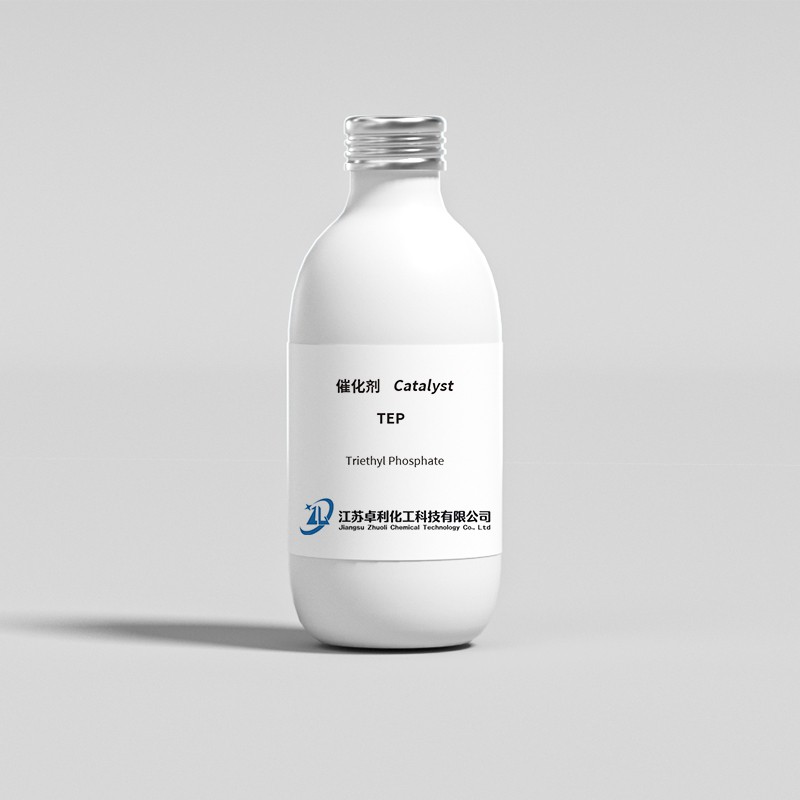
It's also important to consider the chemical nature of IPPP 65. There are some related chemicals in the market that might seem similar but have different properties. For instance, Tri(1,3 - dichloropropyl)phosphate, TRIXYLYL PHOSPHATE, and Triethyl Phosphate. These chemicals have their own unique characteristics and applications.
If you're experiencing issues with IPPP 65 and are thinking about switching to one of these alternatives, make sure you understand their differences. Tri(1,3 - dichloropropyl)phosphate might have different solubility properties compared to IPPP 65. TRIXYLYL PHOSPHATE could have a different level of reactivity. And Triethyl Phosphate might have a different volatility.
Seeking Expert Help
If you've tried all the troubleshooting steps and still can't solve the problem, don't hesitate to reach out. As a supplier, we have a team of experts who can provide in - depth technical support. We can analyze the specific situation you're facing and come up with a customized solution.
We've got years of experience dealing with different applications of IPPP 65. Whether you're using it in the plastics industry, the textile industry, or any other field, we can help you figure out what's going wrong.
Contact for Purchase and Consultation
If you're interested in purchasing IPPP 65 or have any further questions about troubleshooting or the product itself, we're here to help. We offer high - quality IPPP 65 at competitive prices. Our goal is to provide you with the best product and service. So, if you're looking to source IPPP 65 for your business or need more advice on using it, just get in touch.

References
- Industrial Chemical Handbook: Covers general information about phosphate - based chemicals and their applications.
- Manufacturer's Technical Data Sheets: Provide detailed information about IPPP 65's properties, usage guidelines, and storage requirements.


