

Hey there! As a BDP (which stands for some pretty important chemical compounds in our biz) supplier, I often get asked about how we handle data archiving. It's a crucial part of our operations, and I'm stoked to share the ins and outs with you.
First off, let's talk about why data archiving is such a big deal for us. In the chemical supply game, we deal with a ton of information. There's data on product specifications, customer orders, safety data sheets, and so much more. Keeping track of all this is not just about being organized; it's about compliance, efficiency, and providing top - notch service to our clients.
When it comes to the types of data we archive, it's a mixed bag. We've got product - related data, like details about Tert - ButylPhenyl Diphenyl Phosphate. This includes its chemical composition, melting point, boiling point, and other physical and chemical properties. This data is super important for our R&D team, who are constantly looking for ways to improve our products and develop new ones.
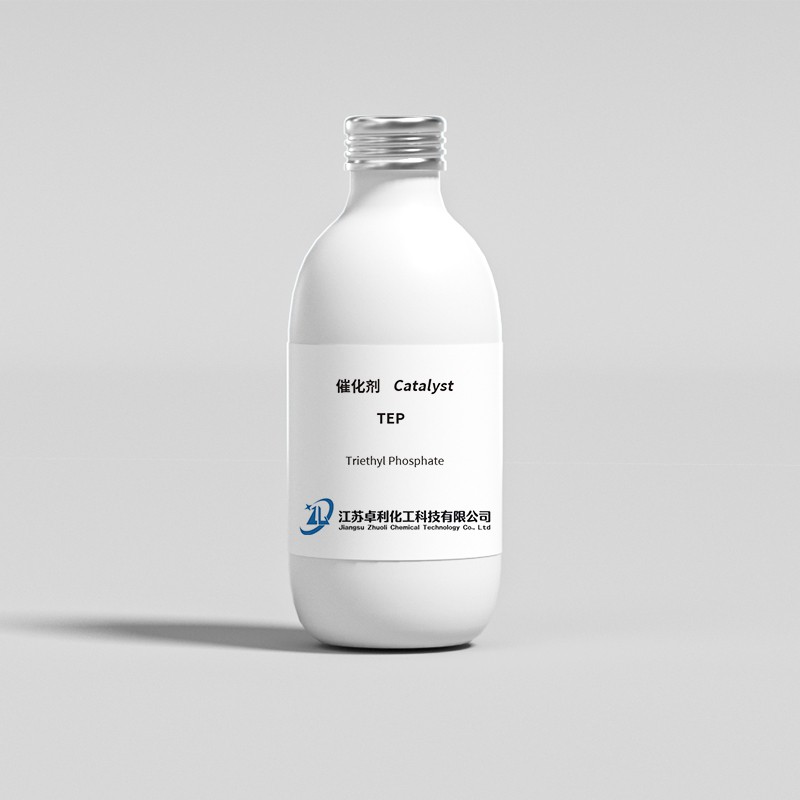
Then there's customer - related data. We record every order, from the quantity of Triethyl Phosphate a customer buys to their delivery preferences. This helps us understand our customers better, anticipate their needs, and provide a more personalized service. Safety data is another huge area. We keep detailed records of all the safety measures associated with our products, like Phenoxycycloposphazene, to ensure that we're meeting all the regulatory requirements and keeping our customers and employees safe.
Now, let's dive into how we actually handle this data archiving. We've got a multi - tiered approach that combines both digital and physical storage. On the digital side, we use a state - of the - art data management system. This system is designed to be highly secure, with multiple layers of encryption to protect our sensitive data. We also have regular backups to off - site locations, just in case something goes wrong with our main servers.
The data is organized in a logical way, with different folders and sub - folders for different types of information. For example, we've got a folder for product data, and within that, there are sub - folders for each individual product. This makes it easy for our team to find the information they need quickly.
But we don't rely solely on digital storage. We also keep physical copies of important documents. These are stored in a climate - controlled facility, where they're protected from things like fire, flood, and pests. Physical copies are useful for a couple of reasons. First, they can serve as a backup in case there are any issues with our digital system. Second, some regulatory bodies still require physical copies of certain documents, so having them on hand is a must.
Another key aspect of our data archiving process is data retention. We've got a set of rules that determine how long we keep different types of data. For example, customer order data is usually kept for a few years, as it can be useful for things like analyzing sales trends and customer behavior. Safety data, on the other hand, is kept for much longer, sometimes indefinitely, because it's related to the safety of our products and the people who use them.
We also have a team of dedicated data archivists who are responsible for managing the entire process. They make sure that all the data is properly labeled, stored, and backed up. They're also in charge of deleting old data that's no longer needed, according to our retention policies.
One of the challenges we face in data archiving is keeping up with the ever - changing regulatory requirements. The chemical industry is highly regulated, and new rules and standards are constantly being introduced. This means that we have to be flexible and adapt our data archiving processes accordingly.

For example, some regulations require us to keep certain types of data in a specific format or location. We have to make sure that we're compliant with these rules, or else we could face some serious penalties. To stay on top of things, we have a regulatory compliance team that monitors all the changes and works with our data archivists to make the necessary adjustments.
Another challenge is dealing with the sheer volume of data. As our business grows, we're collecting more and more information. This means that we need to constantly upgrade our storage systems and find new ways to manage the data efficiently. We're always looking into new technologies, like artificial intelligence and machine learning, to help us analyze and organize our data better.
So, that's a pretty good overview of how we handle data archiving as a BDP supplier. It's a complex process, but it's essential for the success of our business. By keeping accurate and organized records, we're able to provide better service to our customers, stay compliant with regulations, and make informed decisions about our products and operations.
If you're in the market for high - quality BDP products like Tert - ButylPhenyl Diphenyl Phosphate, Triethyl Phosphate, or Phenoxycycloposphazene, and you're interested in learning more about our products or discussing a potential purchase, don't hesitate to reach out. We're always happy to have a chat and see how we can work together.
References
- Industry best practices for chemical data management
- Regulatory guidelines for chemical data retention
- Internal company records and policies related to data archiving


