
As a TDCPP - LS supplier, I've been deeply involved in understanding the chemical interactions of TDCPP - LS with various additives. TDCPP - LS, or Tris(1,3 - dichloro - 2 - propyl) phosphate liquid stabilizer, is a well - known flame retardant that has found its way into numerous industrial applications. In this blog, we'll explore how different additives interact with TDCPP - LS.
1. General Properties of TDCPP - LS
TDCPP - LS is a highly effective flame retardant due to its chemical structure. It contains phosphorus and chlorine atoms, which play crucial roles in the flame - retardant mechanism. When exposed to high temperatures during a fire, TDCPP - LS decomposes, releasing phosphorus - containing compounds that can react with free radicals in the combustion zone, thus interrupting the chain reaction of combustion. The chlorine atoms also contribute to the suppression of the fire by forming hydrogen chloride gas, which can dilute the oxygen concentration in the vicinity of the fire.
You can find more detailed information about TDCPP - LS on our website: TDCPP - LS
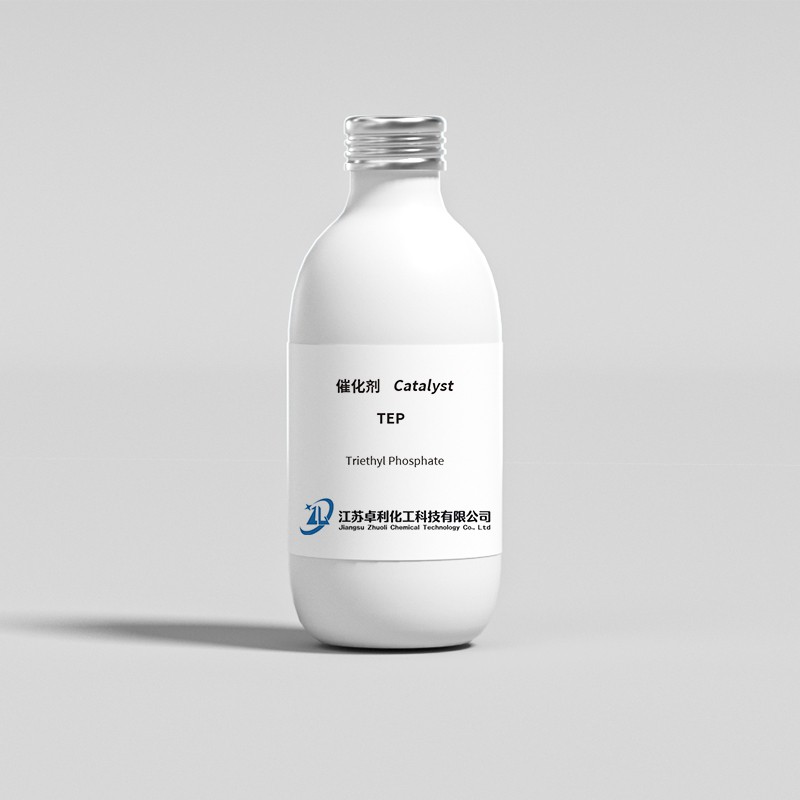
2. Interaction with Triethyl Phosphate
Triethyl Phosphate is another commonly used flame retardant. When Triethyl Phosphate is combined with TDCPP - LS, several synergistic effects can be observed.
Chemical Synergy
Triethyl Phosphate has a relatively lower decomposition temperature compared to TDCPP - LS. During the initial stage of a fire, Triethyl Phosphate decomposes first, releasing phosphate radicals. These radicals can react with the polymer matrix in the material, forming a protective char layer on the surface. As the temperature rises further, TDCPP - LS starts to decompose. The phosphorus - and chlorine - containing decomposition products from TDCPP - LS can then interact with the char layer formed by Triethyl Phosphate, enhancing its stability and insulating properties.
Physical Compatibility
In terms of physical properties, Triethyl Phosphate and TDCPP - LS are often miscible in common organic solvents used in polymer processing. This miscibility allows for uniform dispersion of the two flame retardants in the polymer matrix. A homogeneous distribution ensures that the flame - retardant effects are evenly distributed throughout the material, improving the overall fire - resistance performance.
For more details about Triethyl Phosphate, you can visit: Triethyl Phosphate
3. Interaction with Tri(1,3 - dichloropropyl)phosphate
Tri(1,3 - dichloropropyl)phosphate is a chemical compound with a similar structure to TDCPP - LS. When it is used in combination with TDCPP - LS, the interaction is more complex.
Similarity in Decomposition Behavior
Both Tri(1,3 - dichloropropyl)phosphate and TDCPP - LS decompose under high - temperature conditions, releasing similar phosphorus - and chlorine - containing species. This similarity can lead to an enhanced flame - retardant effect in some cases. The combined decomposition products can more effectively scavenge free radicals in the combustion zone, reducing the rate of combustion.
Competition for Reaction Sites
However, there can also be a competitive effect between the two compounds. Since they have similar chemical structures, they may compete for the same reaction sites in the polymer matrix or in the combustion zone. This competition can sometimes lead to a non - linear relationship between the amount of the additives and the flame - retardant performance. Careful formulation is required to optimize the ratio of Tri(1,3 - dichloropropyl)phosphate and TDCPP - LS to achieve the best results.
To learn more about Tri(1,3 - dichloropropyl)phosphate, click here: Tri(1,3 - dichloropropyl)phosphate
4. Impact on Polymer Properties
The interaction between TDCPP - LS and these additives can also have an impact on the properties of the polymers in which they are incorporated.
Mechanical Properties
In some cases, the addition of additives along with TDCPP - LS can improve the mechanical properties of the polymer. For example, the formation of a more stable char layer during combustion can act as a reinforcement in the polymer matrix, enhancing its stiffness and strength. However, if the additives are not properly dispersed or if they react with the polymer in an unfavorable way, it can lead to a decrease in mechanical properties such as elongation at break or impact resistance.
Thermal Stability
The combination of TDCPP - LS and additives can also affect the thermal stability of the polymer. The flame - retardant additives can act as thermal stabilizers to some extent, delaying the thermal degradation of the polymer. This is because the decomposition products of the additives can react with the polymer radicals formed during thermal degradation, preventing further chain scission reactions.
5. Application Considerations
When using TDCPP - LS in combination with additives, several application - specific factors need to be considered.
Processing Conditions
The processing temperature, shear rate, and mixing time can all affect the interaction between TDCPP - LS and the additives. High processing temperatures may cause premature decomposition of the additives, reducing their effectiveness. Therefore, it is important to optimize the processing conditions to ensure that the additives remain stable during the manufacturing process.
End - Use Environment
The end - use environment of the polymer product also plays a role. For example, in applications where the product is exposed to high humidity or chemicals, the additives may interact with these environmental factors, which can in turn affect their interaction with TDCPP - LS.
6. Conclusion and Call to Action
In conclusion, understanding how additives interact with TDCPP - LS is crucial for achieving optimal flame - retardant performance in polymer materials. The synergistic and competitive effects between TDCPP - LS and additives such as Triethyl Phosphate and Tri(1,3 - dichloropropyl)phosphate can have a significant impact on the fire - resistance, mechanical properties, and thermal stability of the polymers.

As a TDCPP - LS supplier, we are committed to providing high - quality products and technical support. If you are interested in learning more about TDCPP - LS or discussing potential applications and formulations, we encourage you to contact us for procurement and further technical discussions. We have a team of experts who can help you select the most suitable additives and optimize the formulation to meet your specific requirements.
References
- "Flame Retardancy of Polymers: Principles and Practice" by John W. Lyons
- "Handbook of Polymer Foams and Foam Technology" edited by Daniel Klempner and Klaus C. Frisch